
Safety · updated 2026-06-09
Is Ghana Safe to Visit in 2026? An Honest Local Answer
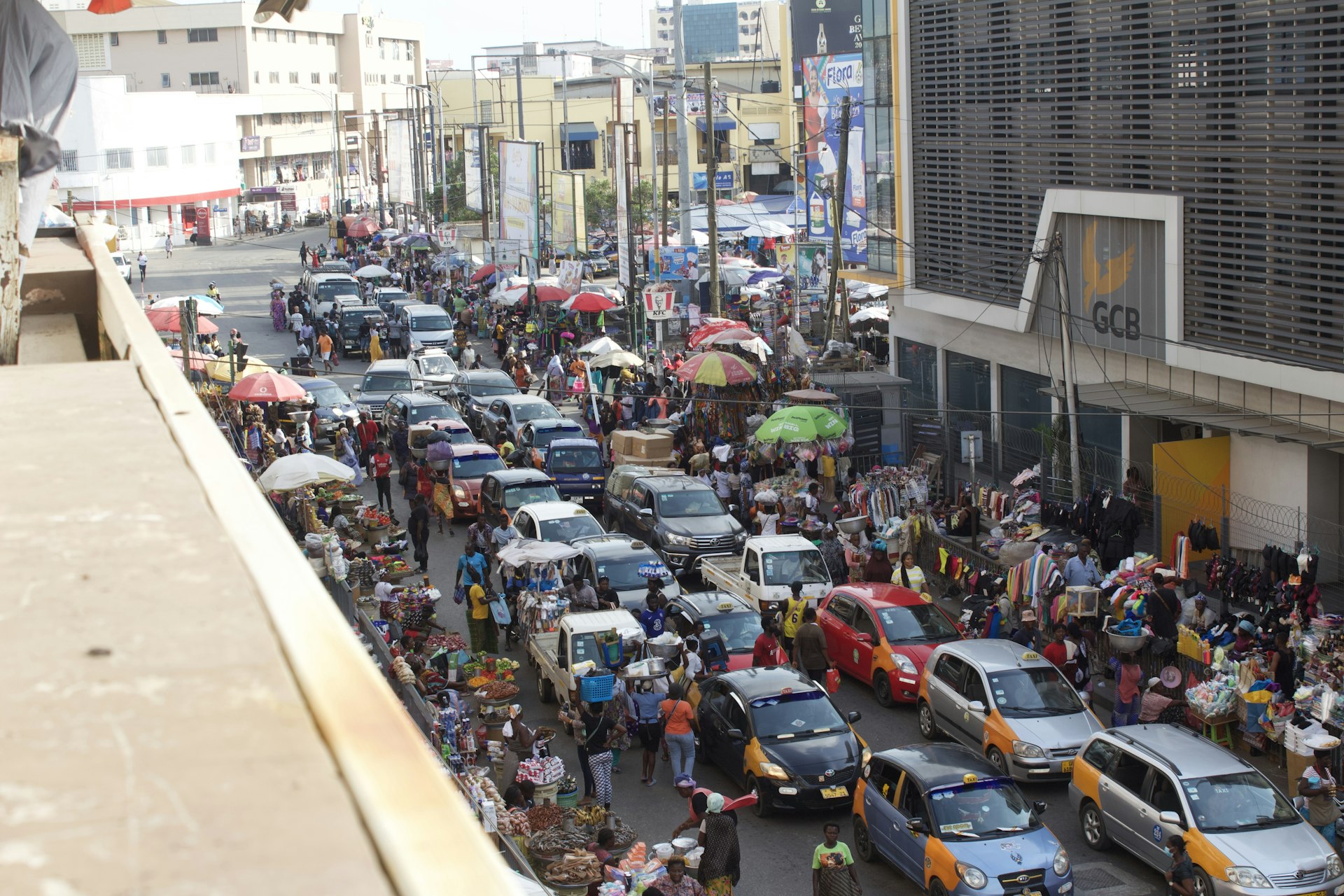
The short answer: yes. Ghana is one of the most stable and welcoming countries in West Africa, and the overwhelming majority of trips are trouble-free. The US State Department rates Ghana Level 2 ("exercise increased caution"), the same tier as France, the UK and dozens of mainstream destinations. The real everyday risks are road traffic, petty theft and tourist-pricing, not violent crime.
We're a Ghana-based company, so take this as informed rather than impartial. We'll still give you the nuance most listicles skip.
What the advisories actually say
- United States: Level 2, "exercise increased caution" countrywide, with a stronger "reconsider travel" note for parts of the far-northern border areas (see below).
- UK, Canada, Australia: broadly equivalent guidance. Normal precautions in the main tourist regions, heightened caution near the northern borders.
Ghana has a long record of peaceful elections and democratic transfers of power, most recently in January 2025. None of the insurgency problems that affect some Sahel neighbours have crossed into Ghana's tourist corridor.
The regional nuance that matters
- Accra, Cape Coast, Kumasi, the Volta and the entire southern belt: normal-precaution territory. This is where 95%+ of visitors spend their whole trip.
- Mole National Park and Tamale: the established northern tourism corridor, visited steadily and without incident; both sit well south of the border zones the advisories flag.
- The far-northern border with Burkina Faso (including, note, the Paga crocodile ponds, which sit on that border) and parts of the Upper East/Upper West frontier: advisories urge increased caution because of regional spillover risk. Check current advice before adding border-area stops.
The risks that actually affect travellers
- Road traffic. Statistically the biggest danger. Long-distance night driving is the thing to avoid; use reputable intercity coaches (STC, VIP) or fly Accra–Tamale/Kumasi. In cities, use Uber/Bolt rather than flagging unmarked taxis at night.
- Petty theft & phone snatching. Markets (Makola, Kejetia), beaches and nightlife districts at 2am are the hotspots. The fix is standard big-city habits: crossbody bag, phone out of back pockets, minimal flash.
- Scams & tourist pricing. "Friendship bracelets" at the castles, inflated taxi fares, gold/romance scams online. A polite, firm "no thanks" handles nearly all of it; agree prices before services.
- Money care. Card skimming is rare but use bank ATMs; carry cash in two places; declare amounts over US$10,000 on arrival.
- Health basics. Yellow fever certificate is legally required (details here); malaria prophylaxis is strongly advised everywhere; drink bottled or filtered water.
Specific situations
Solo female travellers: Ghana is widely considered one of Africa's better solo-female destinations. Expect attention and marriage jokes, rarely menace. The usual rules: trusted transport at night, hosted experiences for nightlife, confidence in markets.
Diaspora travellers: Ghana actively courts the diaspora (Year of Return, December in GH) and the welcome is real. The frictions tend to be commercial ("obroni/akata pricing"), not safety. Booking with verified local hosts removes most of it.
LGBTQ+ travellers: Ghanaian law and prevailing attitudes are conservative, and legislation passed in recent years increased risks around public visibility. Discretion is genuinely advised; research current conditions before travelling.
Night-time: Osu, East Legon and the beach bars are lively and policed late into the night. The sensible line: arrive and leave by ride-hailing, keep your group together, watch your drink. The same as any capital.
Frequently asked questions
Is Accra safe at night? The entertainment districts (Osu, East Legon, Labadi) are busy and generally fine with ride-hailing door to door. Avoid walking unlit streets late, and treat the beach after dark as a no-valuables zone.
Is Ghana safe for American tourists? Yes. Level 2 is the second-lowest advisory tier, and the US is Ghana's largest visitor market (137,862 arrivals in 2024). Standard precautions apply.
Do I need malaria tablets for Ghana? Yes. Malaria is present countrywide year-round. See a travel clinic for prophylaxis, use repellent and sleep under nets/AC.
Is the tap water safe in Ghana? Stick to bottled or filtered water (locals largely do too). The ubiquitous 500ml "pure water" sachets are fine in a pinch from reputable sellers.
Written by the GuideX team in Accra. The single best safety upgrade is a local who knows the terrain: book experiences with ID-verified hosts, and read the entry requirements before you fly.
Destination guides for this trip
Turn the plan into bookings
Every guide connects to real, host-led experiences with live availability.
Explore Ghana experiences