
Savannah, Northern, Upper East & Upper West · prices verified 2026-06-09
Things to do in Northern Ghana, Ghana
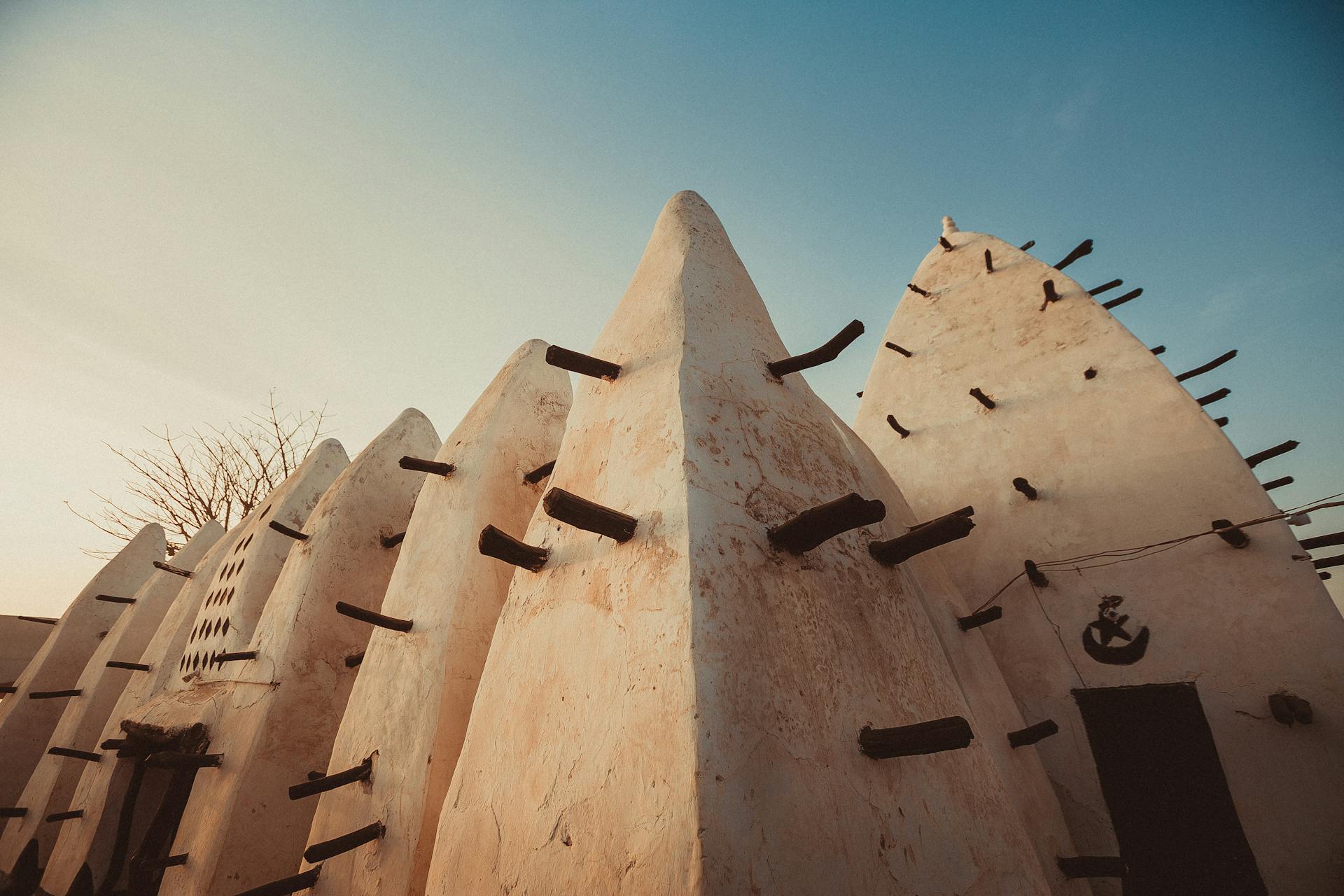
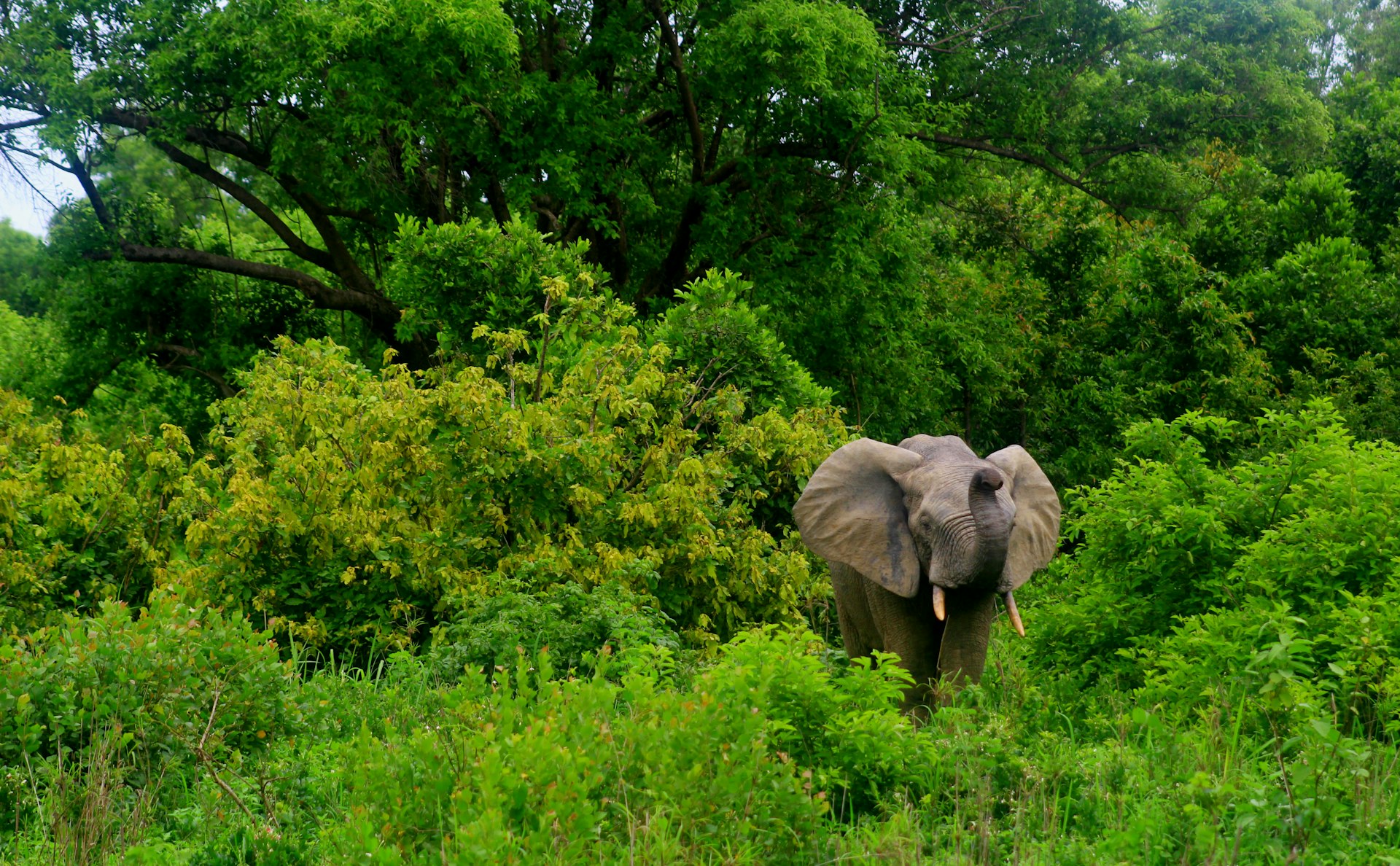
Northern Ghana is the stretch most itineraries leave out, and the loss is theirs: walking safaris among elephants at Mole National Park, the ancient mud-and-timber mosque at Larabanga, sacred crocodiles at Paga, and a savannah culture (Dagomba, Gonja, Mamprusi) entirely distinct from the south.
It's also one of the world's most affordable safari destinations: Mole's guided walking safaris cost a few dollars, not a few hundred. The trade-off is distance: take the flight to Tamale and the north rewards you with Ghana at its most extraordinary.
The essentials
1. Mole National Park
Ghana's largest park (4,840 km², 90+ mammal species) and the heart of any northern trip. Elephants amble past the escarpment-top lodges in dry season; guided walking safaris put you on the ground with them, an experience almost no other African park offers at this price.
Walking safaris from just a few dollars per person (among Africa's cheapest); best wildlife Jan–Mar at the waterholes
2. Larabanga Mosque
Ghana's oldest mosque: a whitewashed Sudanese-style mud-and-timber landmark just outside Mole's gates, cared for by the same families for generations. Visits support the village; dress modestly.
3. Mognori Eco-Village
A community-tourism village on Mole's edge: canoe safaris through the wetlands, drumming, shea-butter making and homestays. It's the north's best grassroots tourism story.
4. Tamale
The northern capital and your logistics hub: a sprawling market, smocks (fugu) and leatherwork, motorbike energy and the gateway flights from Accra.
5. Paga crocodile ponds
At the Burkina Faso border, the sacred crocodiles of Paga tolerate humans sitting beside (even on) them, a strange, memorable rite mediated by local custodians.
6. Wechiau Community Hippo Sanctuary
Community-run hippo conservation on the Black Volta in the far north-west: river safaris at dawn, lodge huts on stilts, and tourism revenue that funds local schools.
Go beyond Northern Ghana
Kumasi
Break the journey south at the Ashanti capital. See our Kumasi guide.
Accra
Direct flights from Tamale make Accra an hour away. See our Accra guide.
When to go
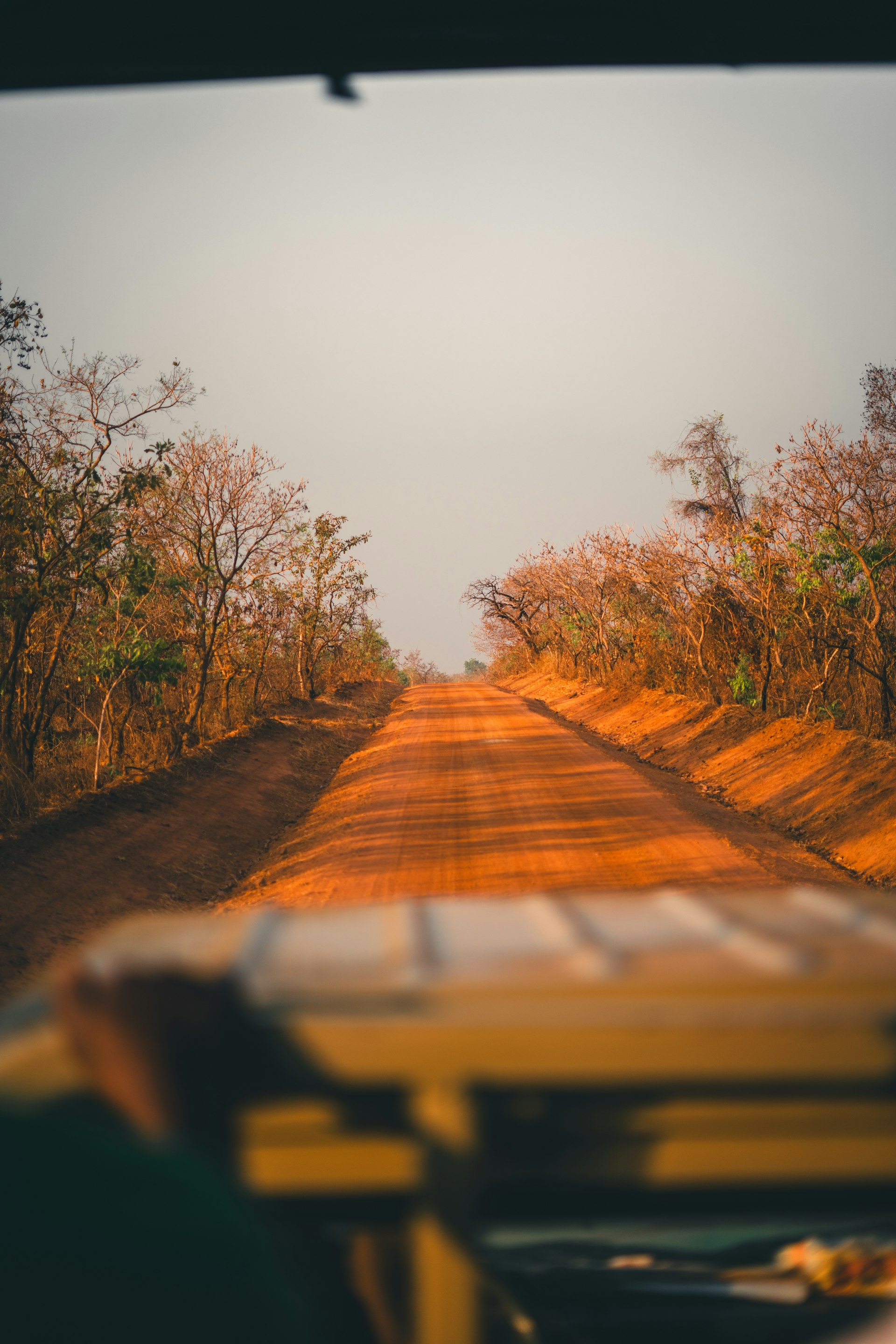
January–March (peak dry season) is best for Mole's wildlife, when animals concentrate at waterholes. November–December is green and beautiful with good sightings. The April–September rains make some tracks tough but the landscape spectacular.
Frequently asked questions
How do I get to Mole National Park?
Fly Accra→Tamale (about 1 hour on Africa World Airlines or PassionAir, daily) then drive ~2.5–3 hours to the park via Larabanga. The overland alternative from Accra is 12+ hours; most travellers fly.
How much does a safari in Mole cost?
Mole is regularly cited as one of Africa's cheapest safaris: park entry plus a guided walking safari typically costs only a few dollars per person, and vehicle safaris remain a fraction of East/Southern African prices. Lodging ranges from budget dorms to the escarpment-view Zaina Lodge.
Will I see elephants at Mole?
In the dry season (roughly November–March, best January–March) sightings are very reliable: elephants routinely visit the waterholes below the main viewpoint and sometimes wander near the lodges. Rainy-season sightings are possible but harder.
Is Northern Ghana safe to visit?
The main tourist corridor (Tamale, Mole, Larabanga) sees steady visitors, and the practical risks are road-travel ones. Government advisories urge increased caution near the northern border with Burkina Faso (Paga is on that border; check current advice); Mole and Tamale sit well south of the advisory zone.